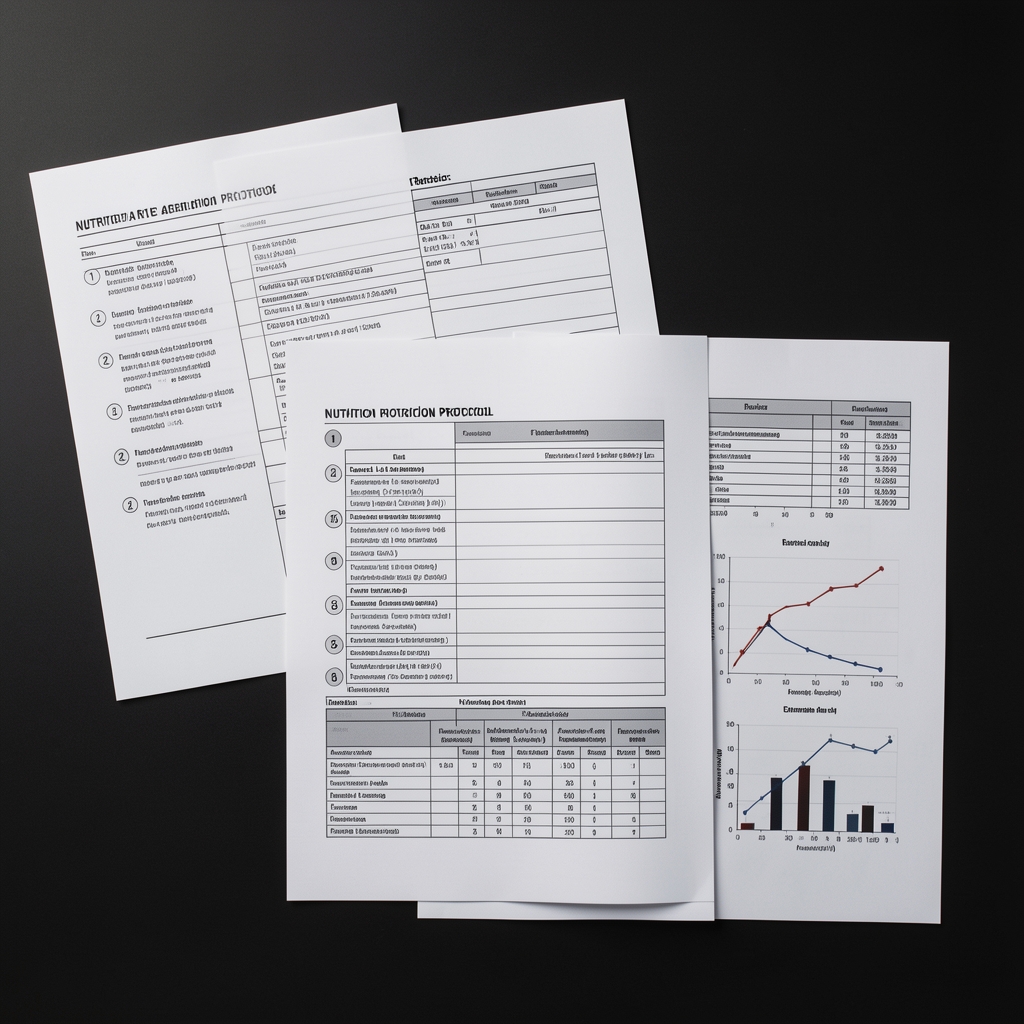
Process Documentation
The Talveri Methodology
Six sequential stages — from supplier identification to protocol release — each documented with revision codes and archived in Talveri's nutritional standards record system.
Six sequential stages — from supplier identification to protocol release — each documented with revision codes and archived in Talveri's nutritional standards record system.
Talveri's methodology is built around one central principle: every nutritional claim in a protocol document must be traceable to a primary record. That record may be a published nutritional study, a supplier's certificate of composition, or an independent laboratory's elemental profile analysis. No assertion in the protocol archive exists without a corresponding source record.
This approach was developed in response to the widespread absence of verifiable sourcing data in men's nutrition content. Most general healthy eating for men guidance available online cannot be traced to specific ingredient batches or documented supplier standards. Talveri's methodology closes that gap — producing consultation documents that are auditable, revision-coded, and independently verifiable.
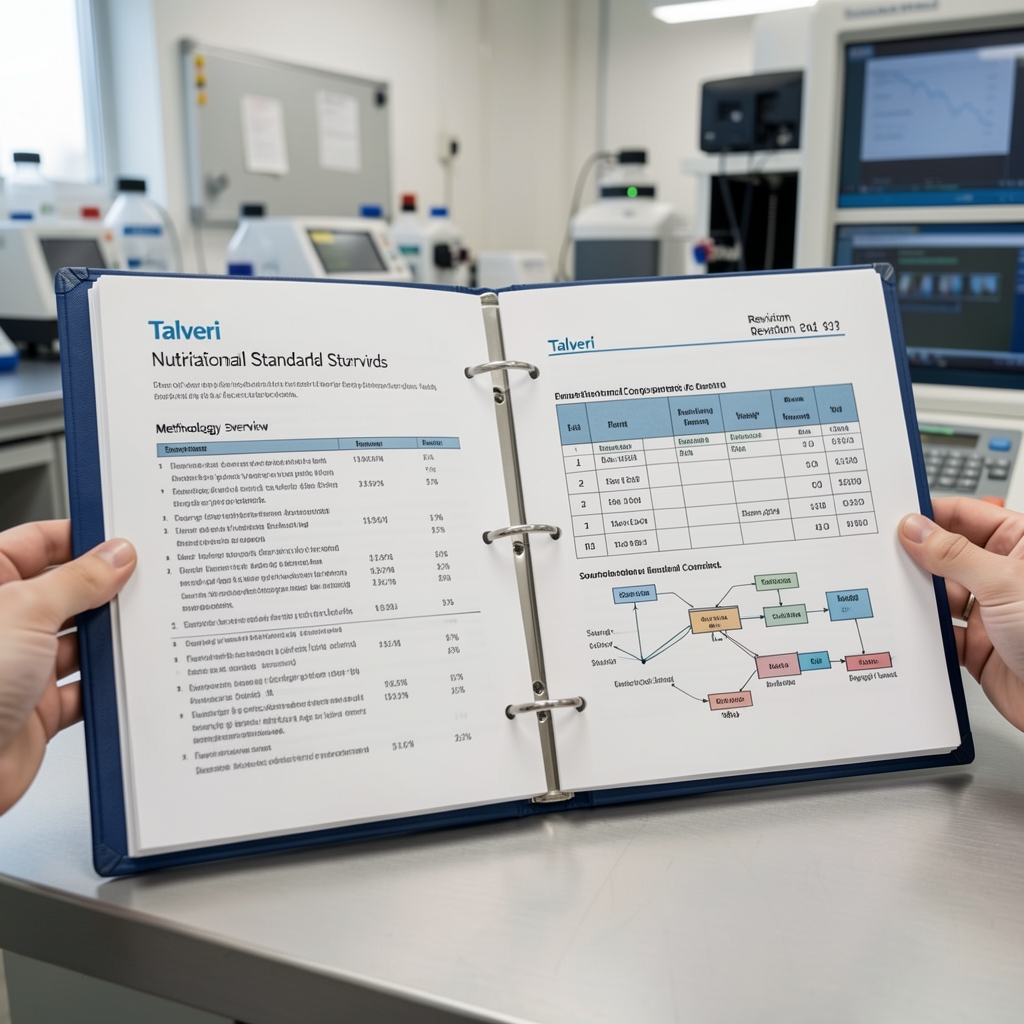
METHODOLOGY OVERVIEW — REVISION 03-B / ARCHIVE ENTRY 2024
STAGE ONE
Every ingredient that enters a Talveri protocol begins with supplier identification. The sourcing documentation stage records the supplier name, country of origin, processing method, and supply chain intermediaries. Chain-of-custody traceability is verified before a supplier is approved for inclusion in the protocol library.
Active ingredients are sourced from documented suppliers, with each batch accompanied by a certificate of composition. Sourcing prioritises suppliers whose facilities maintain food-grade processing standards.

SUPPLIER FILE — CHAIN-OF-CUSTODY / VERIFICATION
STAGE TWO
Upon supplier approval, each ingredient batch is submitted to an independent laboratory for elemental profile analysis. The analysis quantifies concentrations of key minerals — zinc, magnesium, selenium — alongside vitamin D3 and omega-3 fatty acid ratios. Results are expressed per serving and per 100g, cross-referenced against published nutritional literature reference ranges.
Ingredient profiles in Talveri supplements are selected based on published nutritional research and undergo independent batch verification for quality and labelling accuracy. The elemental profile record is archived under the lot number assigned at this stage.
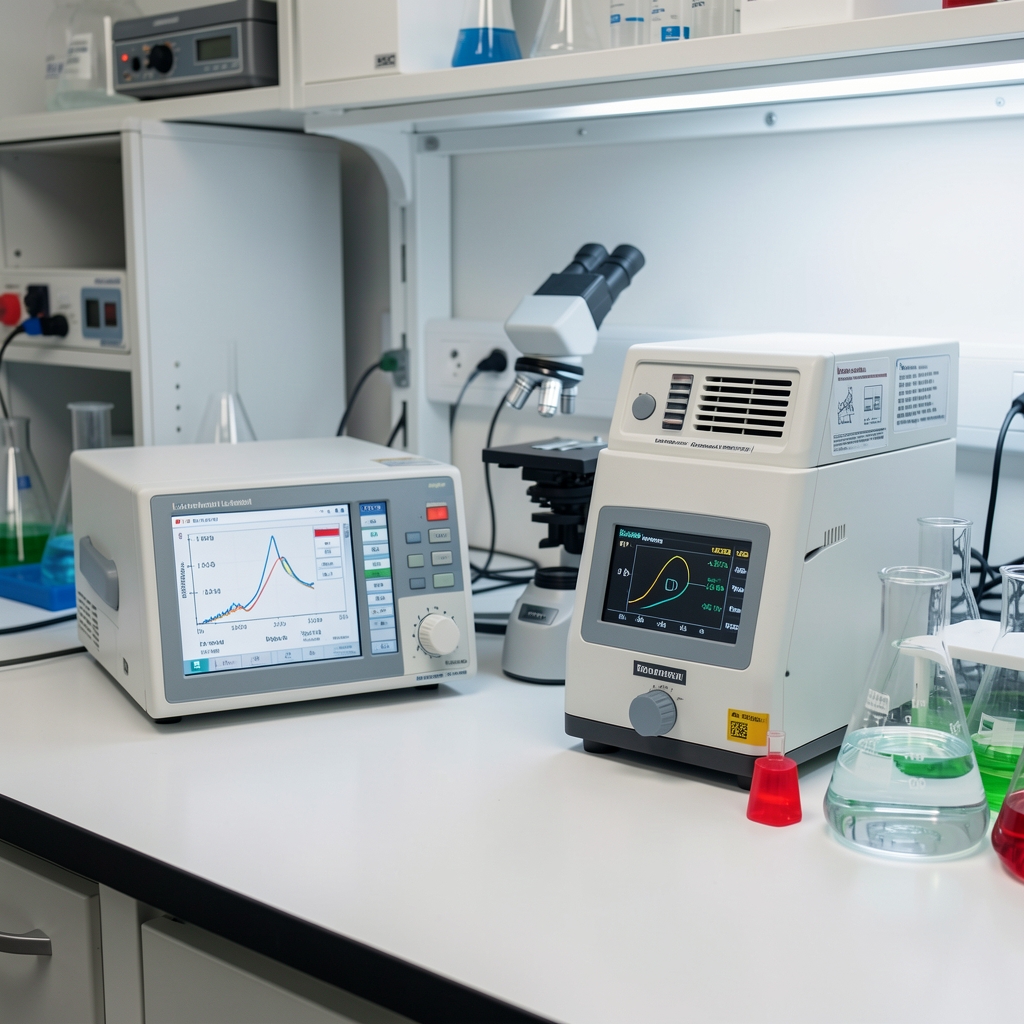
ELEMENTAL ANALYSIS — LOT 2024-Q3 / INDEPENDENT LAB
STAGE THREE
Following laboratory verification, each approved batch receives a Talveri lot code in the format YYYY-QN-XXX. The certificate of composition — provided by both the supplier and the independent laboratory — is archived under this code. Protocol documents that reference this ingredient cite the lot code, enabling end-to-end traceability from the consultation document to the physical batch record.
The batch coding system was formalised in 2018 and applies to every ingredient across all eight program areas. Archive entries are reviewed quarterly, with revision codes updated when supplier or laboratory data changes.
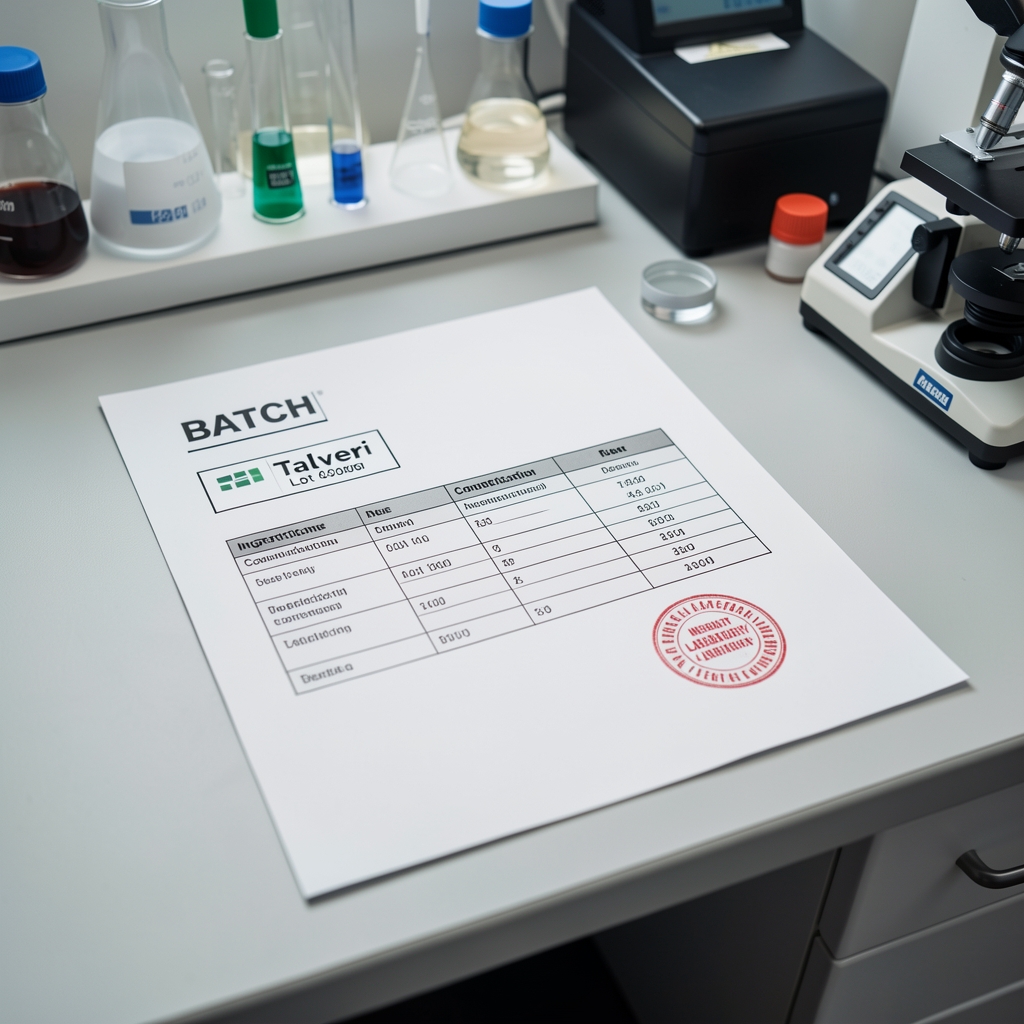
BATCH CERTIFICATE — LOT 2024-Q3-041 / ARCHIVED
STAGE FOUR
With verified ingredient data in hand, the protocol calibration stage assembles the macronutrient architecture for each program type. Protein intake targets, carbohydrate periodization schedules, and fat-source ratios are set against the energy expenditure profile of the target user — men 30 to 55, active to moderately active. Meal plan muscle gain, calorie deficit men, and balanced diet men frameworks each receive distinct macronutrient architecture documentation.
Macronutrients for men are expressed both as absolute gram targets and as percentage-of-total-energy ratios, ensuring the protocol remains usable regardless of individual caloric baseline. Serving composition records are included for every meal position in the daily plan.
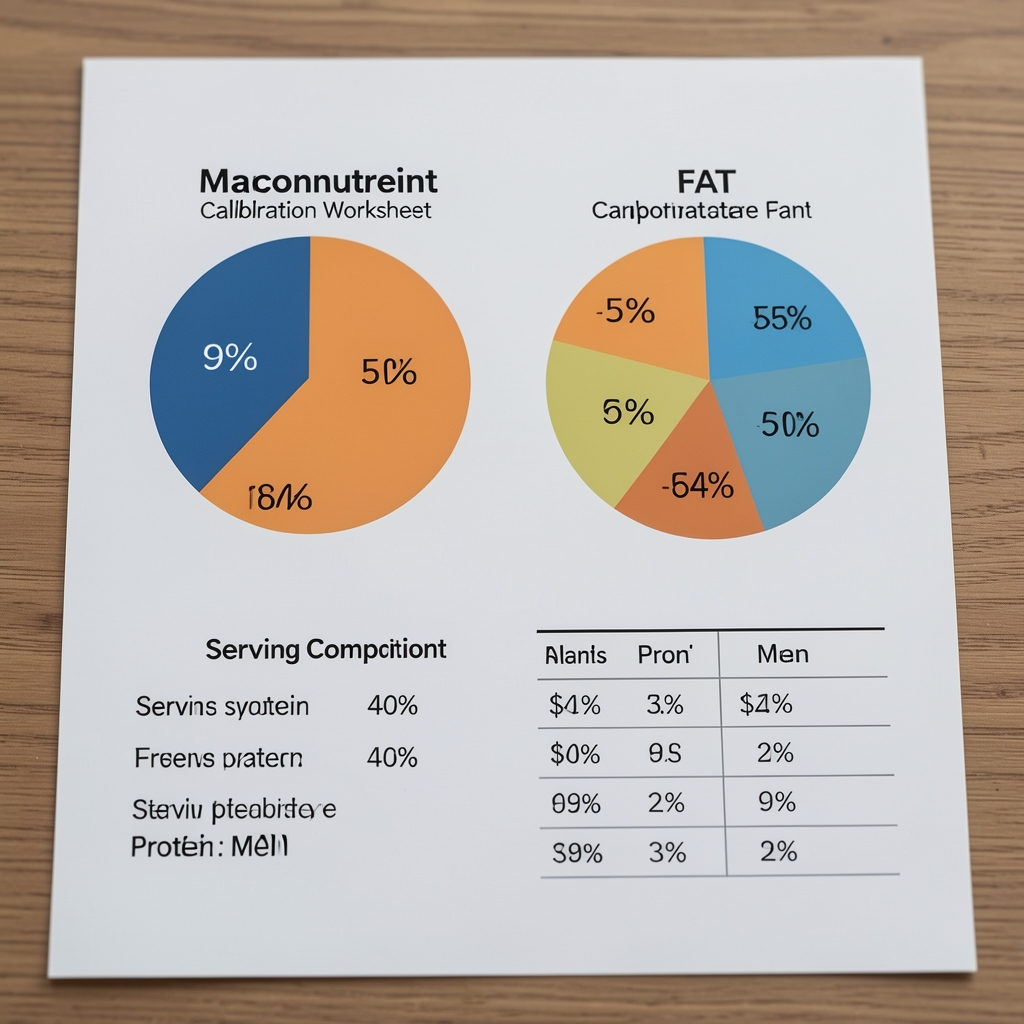
MACRONUTRIENT CALIBRATION — PROTOCOL REVISION 05-A
STAGE FIVE
The traceability record consolidates every stage of the protocol into a single document package: supplier file, laboratory analysis report, batch certificate, and calibration worksheet. This package is assembled as the primary consultation deliverable — the document that a client receives when engaging a Talveri protocol program. Every ingredient cited in the protocol is cross-referenced to its corresponding lot record within the same package.
Lot records are archived internally and remain accessible for the duration of the client relationship. Revision codes are assigned sequentially — revision 01-A through the current cycle — ensuring the client always knows whether they are working from the most current elemental profile data.

TRACEABILITY PACKAGE — REVISION 06-A / CLIENT RELEASE
STAGE SIX
The final stage is an independent audit of the assembled protocol package against the original sourcing records. A third-party reviewer — not involved in the sourcing or calibration stages — cross-references all claims in the protocol document against the cited lot records and laboratory reports. Discrepancies result in protocol revision before the document is cleared for release.
The audit cycle runs quarterly for all active protocols. Archived programs are reviewed annually. This review schedule ensures that changes in supplier composition or laboratory reference ranges are reflected in the protocol documentation before they reach clients.

AUDIT REVIEW — QUARTER 3 2024 / THIRD-PARTY CLEARED
Every ingredient in a Talveri protocol document must have an associated supplier file with documented chain-of-custody from origin country to processing facility. Generic "food-grade" claims without a named supplier are not accepted within the archive.
Elemental concentration data used in protocol documents must derive from a third-party laboratory — not from supplier self-reporting. The laboratory name, accreditation status, and test date are recorded in the lot record alongside the concentration values.
Every document in the Talveri archive carries a revision code of the form NN-A, where NN is a sequential protocol number and A is an alphabetical revision indicator. Protocol documents are never overwritten — prior revisions are preserved in the archive for reference.
Nutrient-role descriptions in protocol documents must cite at least one published nutritional research reference. The citation format includes author, publication, year, and specific claim supported. Unsourced nutrient role statements are flagged during the audit stage and must be resolved before protocol clearance.
Active protocols are reviewed against current supplier and laboratory data every quarter. When ingredient composition changes — as reflected in updated certificates — the affected protocol is placed on revision hold until the new data is fully integrated and the document is re-audited.
The Talveri standard prohibits any nutrient-role assertion that cannot be traced to either a batch-verified composition record or a published nutritional research reference. This applies equally to promotional copy, consultation documents, and internal research summaries archived within the system.
Methodology Stages
Annual Audit Cycles
Third-Party Verified
Research References
Talveri's sourcing framework prioritises named-region materials wherever the ingredient category permits meaningful geographic differentiation. Omega-3 for men programs, for example, distinguish between North Atlantic marine-origin DHA/EPA sources and Southern Ocean krill-derived concentrates — noting documented concentration differences per region.
Protein sources men encounter in the program documentation are similarly differentiated by origin: New Zealand grass-fed whey is documented separately from conventionally sourced European whey, with elemental profile comparison records available within the lot archive.
Omega-3 sourcing: Marine origin documented by fishing region and species, with DHA/EPA ratio records per batch.
Vitamin D3 sourcing: Lanolin-derived and lichen-derived variants documented separately with distinct concentration profiles.
Zinc and magnesium: Chelated and oxide forms documented by bioavailability data from published nutritional literature.
Plant-based protein men: Per-source amino acid profiles distinguishing pea isolate, brown rice, and hemp seed origins.

ORIGIN MAP — SUPPLIER REGIONS / BATCH 2024-Q4
Schedule a consultation to review Talveri's methodology documentation and discuss which program protocol addresses your nutritional composition objectives.
Schedule a Consultation